
Residual Magnetism Latching Solenoid
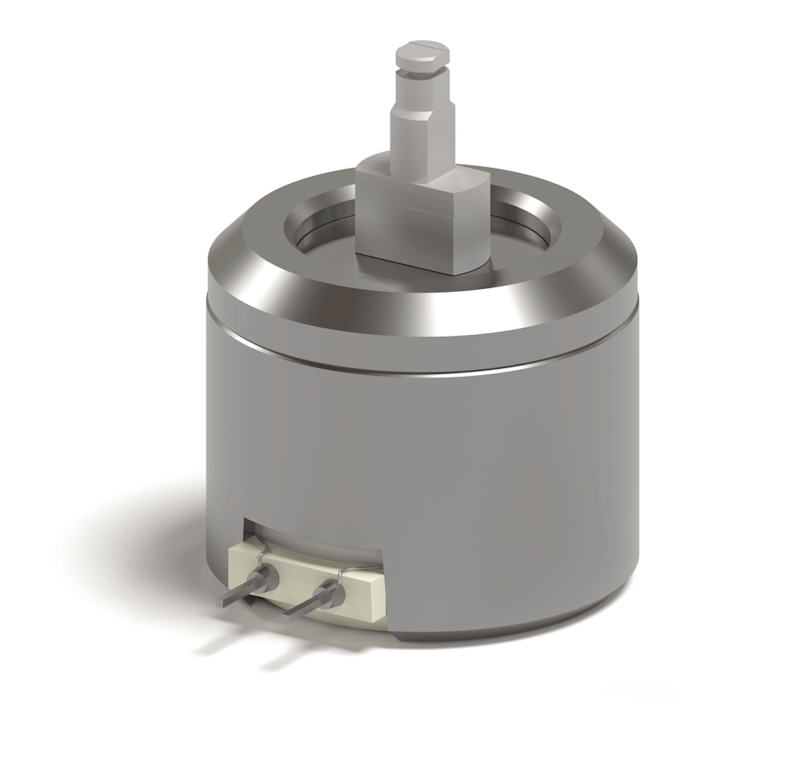
A latching solenoid that used residual magnetism instead of a permanent magnet.
The residual magnetism latching solenoid used only a short pulse of current to actuate and drew no current to maintain state. In its ready position, a spring held the armature in the de-latched position. When a short pulse of current energized the coil, the resulting magnetic field pulled the armature to the latched position. The solenoid’s core retained the magnetic field induced by the pulse of current and held the armature in the latched position.
Typical Applications
Is our Residual Magnetism Latching Solenoid the right fit for your application?
TLX Technologies partners with the world’s top brands, including OEMs and system suppliers. We can develop a solenoid or valve for your most challenging application. Contact us to discuss your project.

Using Solenoids to Enhance HEV Safety
A hybrid electric vehicle manufacturer needed a solution that would disconnect the lithium-ion battery if the vehicle was involved in an accident.
Our engineers begin by designing with 3D CAD and performing electromagnetic and fluid dynamic analysis with state-of-the-art finite element analysis software. Every design is engineered and tested in our lab to meet our customers’ specifications.
Increased Performance
Precise control with high accuracy through tighter tolerances. Reducing friction and inefficiencies provides extremely low hysteresis.
Lighter Weight
Multiple variables in the design and manufacturing process are optimized to reduce overall weight and size of the solenoid or valve.
Minimized Footprint
Custom solenoids can be designed to utilize the best control scheme for your application, resulting in a minimized footprint.
Limited Power Consumption
Latching technology in solenoid and valve design minimizes overall power consumption.
Extreme Environments
Can be designed to meet extreme environments that include moisture, dirt/dust, vibration and/or extreme temperature requirements.
Built-in Safety
Failsafe modes are designed into solenoids and valves utilizing integrated electronic controls.

Are you designing the technology of tomorrow?
Start your conversation with a TLX engineer today.

